
- For people over 65, the risk increases significantly, and the likelihood of becoming infected while hospitalized rises to 51%.
- It begins with persistent colitis and fever, and can lead to peritonitis, sepsis, intestinal perforation, and death.
Note: Clarín – By Emilia Vexler
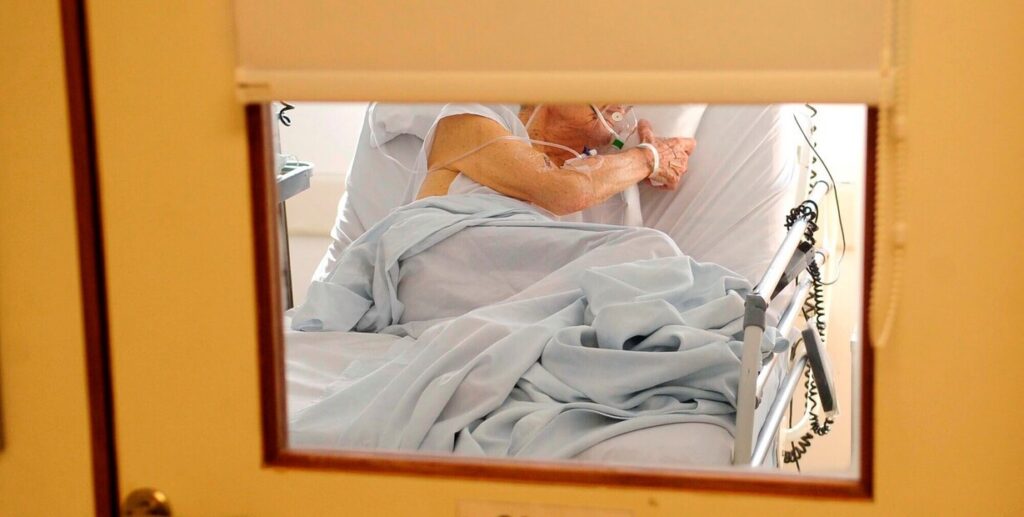
The overuse of antibiotics not only drivesantimicrobial resistancein hospitals and clinics across Argentina, but also gives rise to a bacterium that, while not multidrug-resistant, is “opportunistic”—one that also infects patients whoare hospitalized for several daysand is particularly harmful to older adults.
What might simply be typical “medication-induced” diarrhea is actually a serious problem associated with healthcare in the country, caused by this difficult-to-treat pathogen, whichcan survive on surfacesin healthcare facilities for months. It is calledClostridioides difficile.
It can cause outbreaks within the same hospital, but it can also lead to intestinal infections even after discharge or following a course of strong antibiotics.
In patients over the age of 65,this risk increases significantly. For them, the likelihood of becoming infected while hospitalized rises to 51%. When persistent colitis and fever progress to inflammation of the colon, it can lead to peritonitis, sepsis, intestinal perforation, toxic megacolon, and death.
"The infection is caused by the use—and, in many cases, the misuse—of antibiotics, which disrupts the balance of the gut microbiota, allowing this bacterium to multiply uncontrollably and release toxins that inflame the colon. It is transmitted primarily via the fecal-oral route, in hospital settings or nursing homes. There are 50–75 cases per 100,000 inhabitants, with high morbidity and significant costs for the healthcare system,” Gonzalo Perez Marc, a physician and principal investigator at Equipo Ciencia, explains toClarín.
"These are not intestinal infections caused by antimicrobial resistance," he clarifies, "but they are related to that global health threat, since both are a consequence ofthe indiscriminate useof antibiotics; they arise in the same medical setting and are equally serious for the same patients."
Data on the prevalence and significance of this bacterium are scarce and inconsistent.
“Most laboratory-based epidemiological studies express incidence as a proportion of the total number of stool samples and calculate it using different denominators,” noted Laura Barcán, who, in response to the pandemic and the surge in hospitalizations, published the “Recommendations for the Diagnosis, Treatment, and Prevention ofClostridioides difficileInfections.”
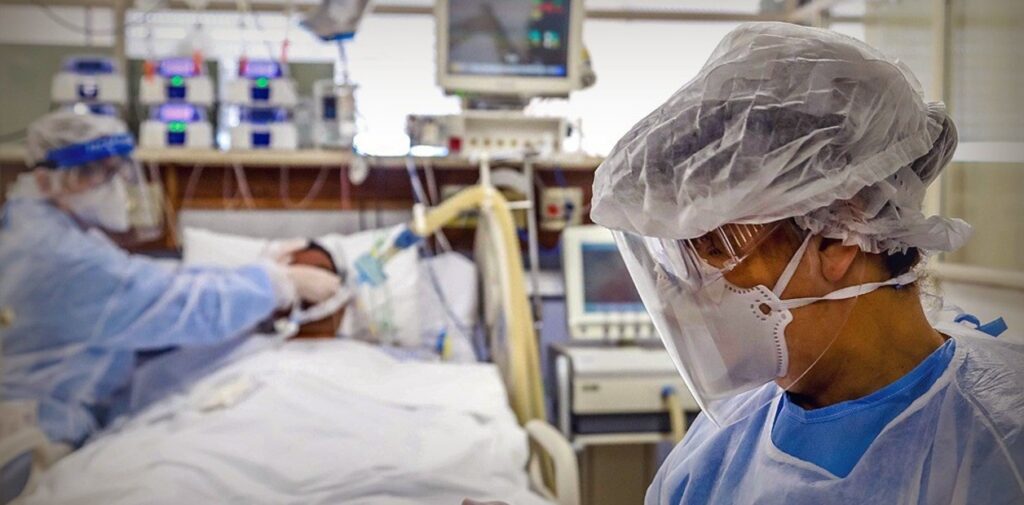
While there is a battle being waged in intensive care units toprevent secondary infections causedby bacteria in the environment, another equally intense battle is taking place in laboratories. And Argentina is playing a major role in an international study aimed at preventing these hospital-acquired infections in older adults.
Specifically,a vaccine—the first one to prevent severeClostridioides difficile disease.
“It would be a key tool for addressing this public health problem. In a way, this vaccine helps prevent the consequences of the indiscriminate use of antibiotics and the resulting decline ingut microbiota,”explains Perez Marc, a scientist whoworked alongside Fernando Polackon theclinical trial forPfizer’sCOVID-19 vaccineduring the pandemic. He is now involved in this new project, which the same U.S. laboratory is conducting worldwide and also in Argentina.
Promising results
The study, whichis in Phase 3, is being conducted at the Equipo Ciencia Research Center, the Fundación Huésped, the SMG Barrio Parque Center, the Sanatorio Sagrado Corazón (OSECAC) in Buenos Aires, the Instituto Médico Platense in La Plata, at ICSAL in Salta, at the Clínica del Sol in Córdoba, at the Clínica de Cuyo in Mendoza, and at the Clínica del Niño y la Familia in Mar del Plata.
“This vaccine has the unique distinction of having already demonstratedhigh efficacy inpreventing severe disease in another study that was originally conducted for a different purpose. What we are now trying to demonstrate as our primary objective was indirectly shown in that study,” the doctor notes.
That trial, called Clover, was published in *Clinical Infectious Diseases* in late 2024 and found that the vaccine“reduced the duration of symptomsamong those who required medical care and antibiotic treatment, highlighting its potential to reduce the healthcare burden associated with this infection,” thepaper states.
"The vaccine has been shown to be safe in Phase 2 and Phase 3 trials involving more than17,000 volunteers in 23 countries. A similar study is now being repeated with a focus on preventing severe disease. This vaccine trial aims precisely to get ahead of the problem, prevent infection, andreduce hospitalizations, generating evidence that could transform the way we address these diseases in the future,” Perez Marc concludes.
The current trial will enroll approximately30,000 additional volunteersworldwide, and nearly one-fifth of them will be Argentine.
The vaccine is administered intwo doses, six months apart, and the follow-up period for the volunteers—who must be over 65, have been hospitalized in the past year, attend multiple medical appointments, and have recently taken antibiotics—lasts about three years, in order to evaluate clinical outcomes.