
The international clinical trial is testing the drug's effectiveness in preventing hospitalization and severe symptoms caused by Clostridioides difficile in older adults. The study involves 32,000 participants across four countries.

Note: Infobae – By Maria Eugenia Cazeneuve
Argentina is participating ina Phase III clinical trialto evaluate an experimental vaccine designed toprevent severe intestinal infections caused by Clostridioides difficile,an“opportunistic” bacteriumthat poses a high risk to older adults exposed to hospitalizations and prolonged antibiotic treatments.
In the clinical trial currently underway in Argentina, more than 3,000 volunteers are participating at sites in six cities as part of an international study involving 32,000 people across four countries. The primary objective of the study is to determine whether the vaccine reduces the incidence and severity of these infections.
Pediatrician and researcher Gonzalo Pérez Marc, executive director ofEquipo Ciencia, whichis coordinating the vaccine trial in Argentina, explained toInfobae:“Clostridioides difficileis an anaerobic, spore-forming bacterium thatcan cause intestinal infections, especially after antibiotic use. It lives in the intestines of some people without causing disease, but it canproliferate when antibiotics disrupt the normal gut microbiota.”
The bacteria can causesevere diarrhea, which may require hospitalization in older adults, especially those over the age of 65.
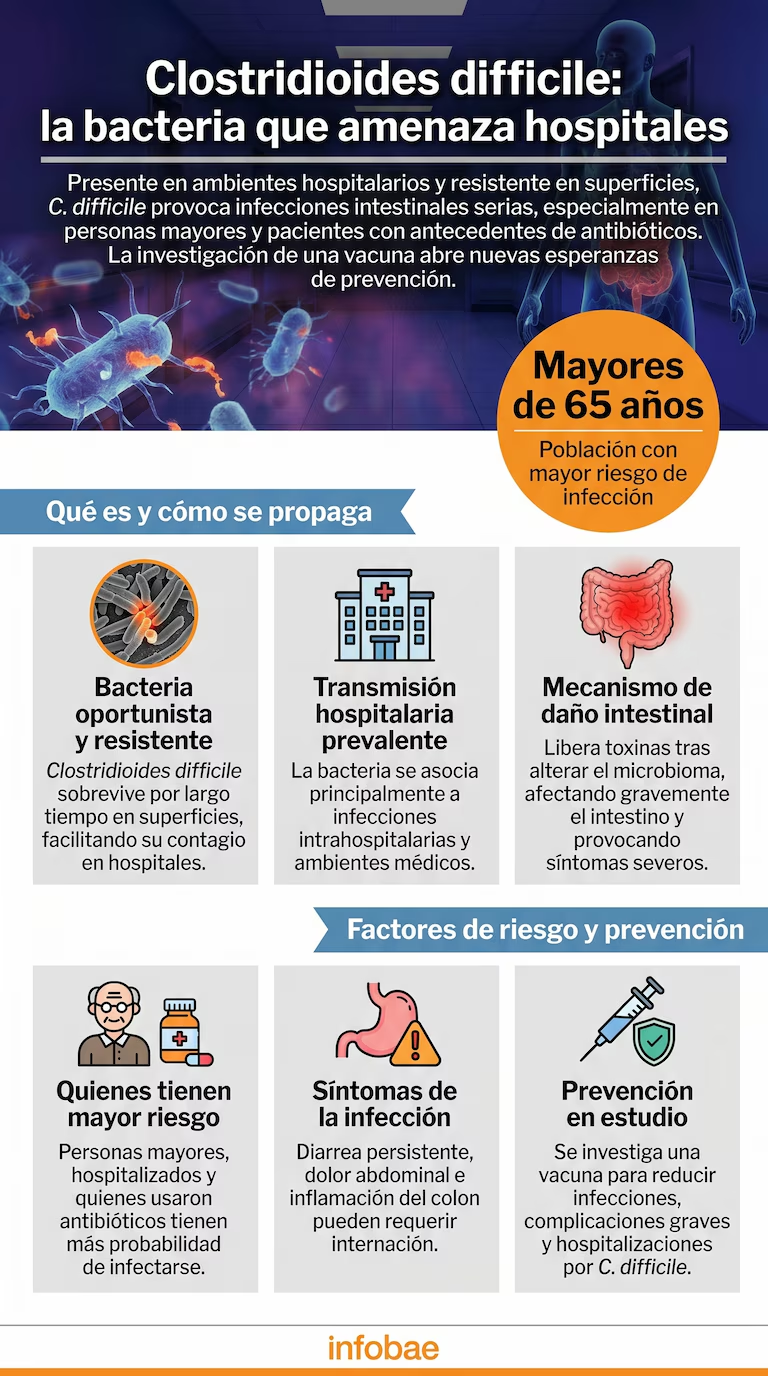
“It can also cause hospital-acquired outbreaks, posing an additional risk to patients with other medical conditions. Currently, there is no approved vaccine to prevent diarrhea caused byClostridioides difficile,”added Pérez Marc.
The goal of the international trial is to determine whether the vaccine under study, developed by Pfizer, is effective inreducing the incidence of severe intestinal infectionscaused byC. difficilein older adults.
“ThePhase III trial aims todemonstrate the vaccine’s effectiveness in preventing hospitalization and severe cases caused by this bacterium. It is amulticenter studythat will include32,000 volunteers at approximately 160 research centers in four countries—the United States, the United Kingdom, Japan, and Argentina. Inour country, more than 3,000 people will be included atcenters in Buenos Aires, La Plata, Mar del Plata, Mendoza, Salta, and Córdoba,” explained Pérez Marc, who was part of the scientific team that, during the pandemic, worked alongside researcher Fernando Polack on the clinical trial of theCOVID-19 vaccinedeveloped by Pfizer.
Who can participate and how is the follow-up conducted?
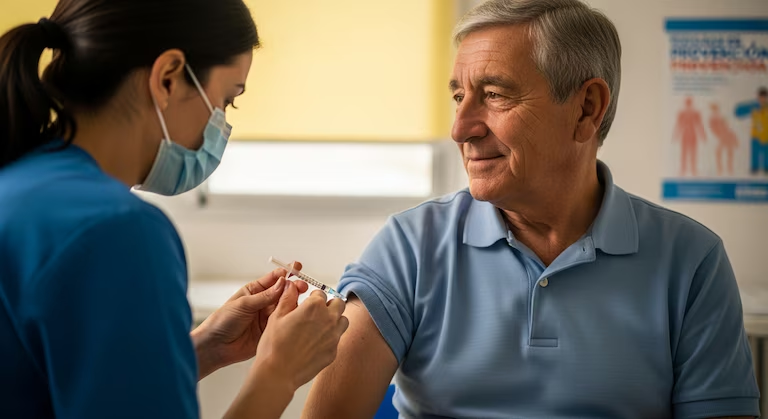
As Pérez Marc explained toInfobae, the inclusion criteria stipulate that volunteers must be65 years of age or olderand have at least one of the following medical conditions:
- A two-night hospital stay within the past 12 months.
- Two or more visits to the emergency room in the past year.
- Ten or more outpatient visits in the past year.
- Having received antibiotics for at least 48 hours within the previous 12 weeks.
Those interested can register for free online at the Equipo Ciencia website. The follow-up involves at least five in-person visits and phone calls to monitor health status over a three-year period.
Participants receive two doses of the vaccine or a placebo, six months apart.
The Impact of Clostridioides difficile Infections

C. difficileinfections most often occurfollowing antibiotic treatment, which disrupts the gut microbiome and allows the bacteria to proliferate. The risk of hospitalization and complications is particularly high among older adults, especially those who have recently been hospitalized or received antibiotics.
In the United States, according to the Centers for Disease Control and Prevention (CDC), approximately200,000 people are infected each yearin healthcare settings, and about15,000 diefrom related complications.
Pérez Marc emphasized that the trial aims to strengthen protections for older adults and develop solutions in anticipation of the emergence of drug-resistant bacteria. “There is no approved vaccine to prevent diarrhea caused by Clostridioides difficile, and this study aims to provide a preventive solution.”
The principal investigator emphasized that the COVID-19 pandemic provided key lessons for the development of high-impact clinical trials in Argentina: “I believe the pandemic significantly raised public awareness of the value of clinical vaccine research, which encourages greater community participation and collaboration in scientific studies. Furthermore, it allowed for a substantial strengthening of the country’s operational and scientific capabilities, ranging from coordination among researchers, regulatory authorities, and international sponsors to the implementation of large-scale multicenter studies with high-quality standards.”
Theclinical trial, which beganin May 2024, aims to generate robust evidence to transform the prevention of serious hospital-acquired infections in older adults, in light of the global threat of antimicrobial resistance.
It is hoped that these results will eventually lead to the development of an effective tool for reducing the impact ofClostridioides difficileon public health.