
ANMAT approved two long-awaited drugs and the FDA endorsed a drug that took 60 years of research. And messenger RNA promises more.
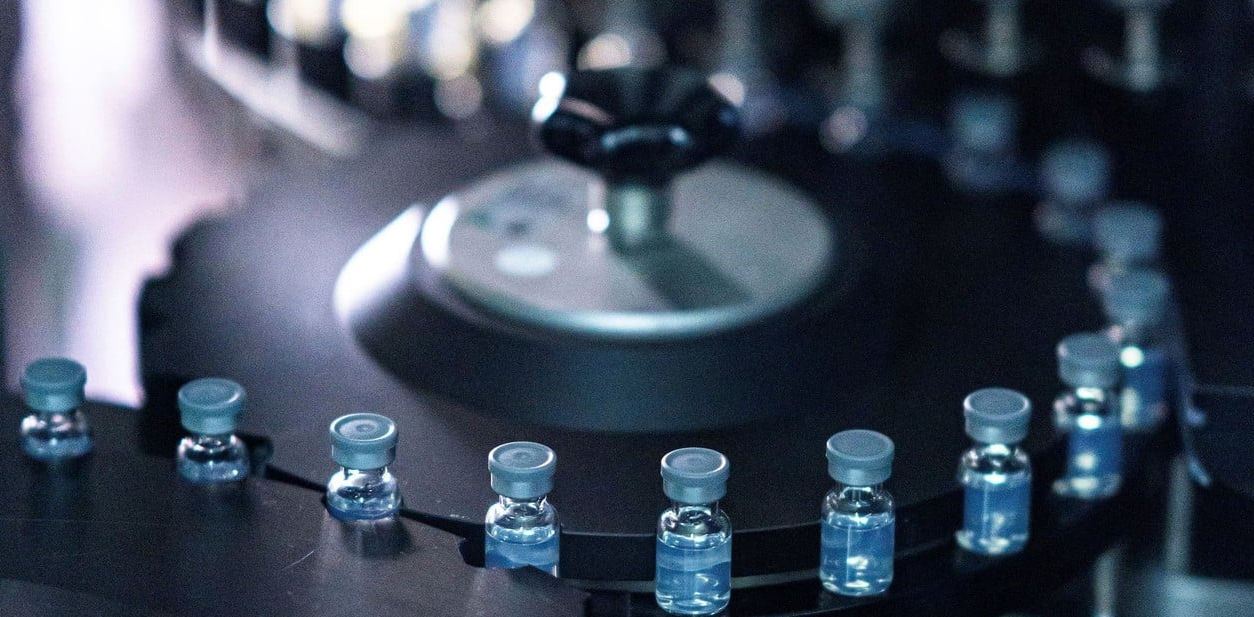
This year, ANMAT approved two long-awaited vaccines: dengue and herpes zoster. And in May, the U.S. FDA gave the go-ahead to two vaccines that target the same virus: the respiratory syncytial virus, which causes bronchiolitis. After the Covid boost, the vaccinology chessboard seems to be moving faster. Are we entering a new era of vaccines?
"Vaccines are one of the most powerful public health tools in the world. They prevent 4 to 5 million deaths each year. With them, smallpox has been eradicated, polio has practically disappeared and cervical cancer has the potential to become largely preventable," puts in context Susana Baldini, medical director of the Argentine Chamber of Medicinal Specialties (CAEME).
In this sense, the approval of the Japanese Takeda's dengue vaccine in the decline of the worst epidemic was good news to face the next season. Although the vaccine showed better performance in some of the four serotypes, it has an overall efficacy of 61% and 84% for cases of hospitalization, and can be received by anyone over 4 years of age, whether or not they have had dengue. There is still no launch date or price, but it is expected to arrive in the spring.
What is already available in the private sector is the herpes zoster vaccine from the British laboratory GSK, which costs $ 32,000 per dose. There are two doses and they are applied to people over 50 years of age or over 18 years of age in risk groups with an interval of between 2 and 6 months to prevent this disease, commonly known as shingles.
"It causes disabling pain for a prolonged period of time. Postherpetic neuralgia can last for a year and affects between 5% and 20% of patients. And 5% have ophthalmic herpes, which can cause vision loss," says Beatriz Seoane, medical director of GSK Argentina, who warns about the need for prompt consultation in the event of symptoms. The virus develops in those who have had chickenpox at some time: it is estimated that one out of every three people over 50 years of age will have zoster.
Vaccination against bronchiolitis, the coming vaccine
Last week, the FDA approved Pfizer's vaccine against respiratory syncytial virus (RSV), which had the largest number of participants in its clinical trial in Argentina. Also in May, it had authorized GSK's vaccine, both for people over 60. It is a milestone for immunology because a vaccine against RSV had been studied unsuccessfully for six decades.
Gonzalo Pérez Marc is principal investigator at the Hospital Militar Central, one of the centers where Pfizer's vaccine was tested. He assures that the learning that was done to achieve a Covid vaccine in record time is already having a spillover effect.
"Clinical studies that used to take six to ten years now take a year and a half or two. It is not that there used to be more or better research, but that there were many very different bureaucratic and regulatory processes," he says. There was multidisciplinary work, political will and financing. And that also resulted in technological innovation.
The key to the RSV vaccine is the pre-fusion protein, one of the proteins used by the virus to bind to the cell, which made it possible to obtain more and better neutralizing antibodies.
But the pandemic brought a revolutionary change: for the first time messenger RNA (mRNA) was used, the platform that made it possible to adapt vaccines to variants in record time.
Moderna's mRNA vaccine against respiratory syncytial disease for adults is also tested in Argentina. Its regional medical director, Rolando Pajón, is confident that the FDA will approve it this year and says that they will not wait for that authorization to submit the application here.
"RSV causes disease at both ends of life, but the percentage of hospitalization and death is higher in the elderly," he says. Graciela Morales, Director of Vaccines for Emerging Markets at Pfizer, agrees: "In countries with good epidemiological surveillance, such as the U.S., there are between 60,000 and 160,000 hospitalizations a year and between 6,000 and 10,000 deaths".
Both laboratories will move forward with clinical studies of their vaccines in the pediatric population. In fact, Pfizer has already tested one in pregnant women to see the transmission of antibodies to the baby and the FDA's vaccine advisory committee recommended its approval. "If it happens, it would be the first vaccine available for children from birth", remarks Morales, who says that Argentina is "on our list of priority countries to submit to the authorization request".
The European EMA also approved a single-dose passive immunization drug for healthy infants (to be given every year) from Sanofi and AstraZeneca: the French laboratory confirmed that they have submitted the authorization application to ANMAT.
Pérez Marc does not contain his enthusiasm for all these advances against RSV. "The vaccine for pregnant women has to be added to the vaccination schedule. That, boosted with these monoclonal antibodies in high-risk patients, would be a spectacular strategy and will change pediatrics," he says. And he shares the link of www.equipociencia.com for those who want to join as volunteers to the clinical trials still in progress (such as the Argentinean Covid vaccine) and to all those to come. Because this is only the beginning.
Messenger RNA and panvaccine
"Messenger RNA is a revolution," says Pajón. In this type of vaccine, a fragment of a protein from the virus' outer membrane is introduced, the cells produce the viral protein and the immune system recognizes it and generates antibodies.
Moderna is testing an influenza vaccine with this platform and will soon test the Covid + RSV combination with the aim of creating a pan-vaccine that protects against all three viruses. "We are much closer," he says.
"There are vaccines that will not be replaced because they are tremendously effective, such as meningococcal and pneumococcal conjugates. But before 2030, messenger RNA will be the dominant platform," he predicts. From Sanofi, its Vaccines Director for Southern Cone, Florencia Esquivel, says that they want to have "10 new vaccines under study by 2025, including 6 with RNA technology". CAEME shares another fact: 860 trials of new developments or forms of administration are currently underway in different phases.
"RNA is being studied in HPV, cytomegalovirus, herpes zoster, malaria. And next year the new generation of Covid vaccines that amplifies the cellular response is coming," Pérez Marc adds.